
BLOG

What is a Mother Wound?
A “mother wound” is not a term we often hear, so if you’re wondering if you or someone you care about has a “mother wound,” you have come to the right place.
There is no official clinical mental health diagnosis for the mother wound, but it is a form of complex trauma that can be passed down from one generation to the next. The mother wound is most often associated with daughters and mothers, but sometimes sons can have mother wounds as well.
What is a Mother Wound?
To put it simply, the mother wound is the loss or lack of mothering - the loss or lack of getting what we needed as a child growing up from our mother. Much of how we develop our sense of self and who we are comes from our mother as Kristina Robb-Dover says in her article “How to Heal from a ‘Mother Wound’ and Family Trauma.” When we are nurtured, protected, and cared for it develops a sense of security within us and trust with others. How we develop within the context of relationship with our mother often shapes how we view ourselves, others, and the world.
“Maternal love is our first experience of what love feels like, and the maternal care we receive informs how we feel about ourselves throughout life” (McDaniel, 2021).
In Stephi Wagner’s article, “What is the Mother Wound,” she describes that the mother wound happens when a mother causes their child pain and/or trauma in the context of relationship with their mother. The harm can happen at any stage of their life - infant, child, teen, or adult. The harm could have been a one-time event or ongoing for a long period of time.
The Mother Wound can take several different forms as listed below:
Emotional Mother Wound
Manipulative
Guilt trip
Emotional caretaker of your mother
Gaslighting
Verbal abuse
Mocking
Shaming
Showing favoritism
Parentification
Neglect
Physical Mother Wound
Hitting
Spanking
Swatting
Pinching
Beating
Slapping
Smacking
Sexual Mother Wound
Body shaming
Sexual abuse
Slut shaming
Rejecting of sexual orientation
Silence when another adult does the above
Spiritual / Religious Mother Wound
Forced prayer
Mandatory service attendance
Coerced beliefs
“Because god says”
rejection of chosen spiritual beliefs
Economic / Financial Mother Wound
Using money / purchased to manipulate
Controlling access to money / purchased items
Destruction of property
Evicting or threatening eviction
The Signs and Symptoms of the Mother Wound
In Stephi Wagner’s article, “What is the Mother Wound,” and Sherry Gaba’s article, who is a Licensed Social Worker, “The Mother Wound” they state that the following are signs and symptoms that you may have a mother wound:
Feeling overly responsible for the feelings of others
Pattern of dismissing your own needs and feelings
History of unfulfilling, difficult or even broken relationships
Inability to handle conflict confidently and effectively
Difficulty saying no, setting boundaries, or asserting yourself
Struggles with ongoing depression and/or anxiety
Discomfort with an even hatred towards your own body
Sexual inhibition and/or dysfunction coupled with insecurity regarding sex and pleasure
Persistent sense you are either “too much” or “not enough”
Feelings of worthlessness, hopelessness, self-loathing, guilt, and shame
Caring too much about the judgements and opinions of others
Eating disorders
Addictions
Never feeling like you had your mothers approval or acceptance
Concerns about not being loved by their mother or not being loved as much as other siblings or family members
Difficulties in relating to the mother on an emotional level
Uncertainty about the relationship with the mother and if it could be lost with a mistake or an accident
Always trying to do better or to be perfect, to attempt to gain your mother's attention and acceptance
Feelings of having to protect, care for, or shelter your mother rather than her protecting, caring for and sheltering you
If any of these signs or symptoms resonate with you, it is important you seek professional help to learn how to navigate these wounds and find healing. Most of us cannot do this work on our own which is why I recommend working with an attachment-focused therapist. No matter where you are at in your journey to finding healing from a mother wound, a qualified attachment-focused therapist can help. Reach out to me today if you would like to take the next step in your healing journey.
SOURCES:

You Are Not Alone: Finding Support as a Male Sexual Abuse Survivor
On an almost daily basis we hear stories of female sexual harassment and abuse in the media. Sadly, male sexual abuse is fairly common, but the issue is underreported by the media and society in general.
On an almost daily basis we hear stories of female sexual harassment and abuse in the media. Sadly, male sexual abuse is fairly common, but the issue is underreported by the media and society in general.
One US-based study found that 1 in 6 boys experience some form of sexual abuse by the age of 18. Other research suggests the ratio may be as high as 1 in 4.
Why is this conduct not reported more often?
To start, most men are embarrassed to be the victim of sexual abuse, particularly when it is perpetrated by other men. In our culture, it is often felt by men that part of masulinity is being invulnerable and not be affected by emotional pain or traumatic experiences. In other words, guys are supposed to be the strong, silent type. It simply goes against the silent rules of being a man to acknowledge trauma and admit that you are suffering.
As a result, male victims of sexual abuse shove their feelings down and deny what happened. This repression of experience and emotion can and often does lead to isolation, anger, sadness, shame, guilt, and fear. Post-traumatic Stress Disorder (PTSD), major depression, anxiety, and substance abuse are also common among victims of male sexual abuse.
It’s important to get help.
If you are the victim of sexual abuse, understand that you are far from alone. As the topic becomes more mainstream, there is less judgement by those who don’t understand how a man could be victimized in such a way. Education regarding male sexual abuse and demystifying misconceptions surrounding rape is essential to help male survivors heal and speak out.
While more needs to be done to bring this subject to mass awareness, it’s important that individual victims seek support. A therapist will be able to help you deal with your complex emotions and offer strategies to move through and past feelings of depression and anxiety. In time, healing can and does occur.
If you or someone you know is a male victim of sexual abuse and would like to discuss treatment options, please get in touch. I would be more than happy to discuss how I may be able to help.
Resources:
RAINN - Sexual Assault in Men & Boys
Book: "The Wounded Heart: Hope for Adult Victims of Childhood Sexual Abuse" by Dan Allender
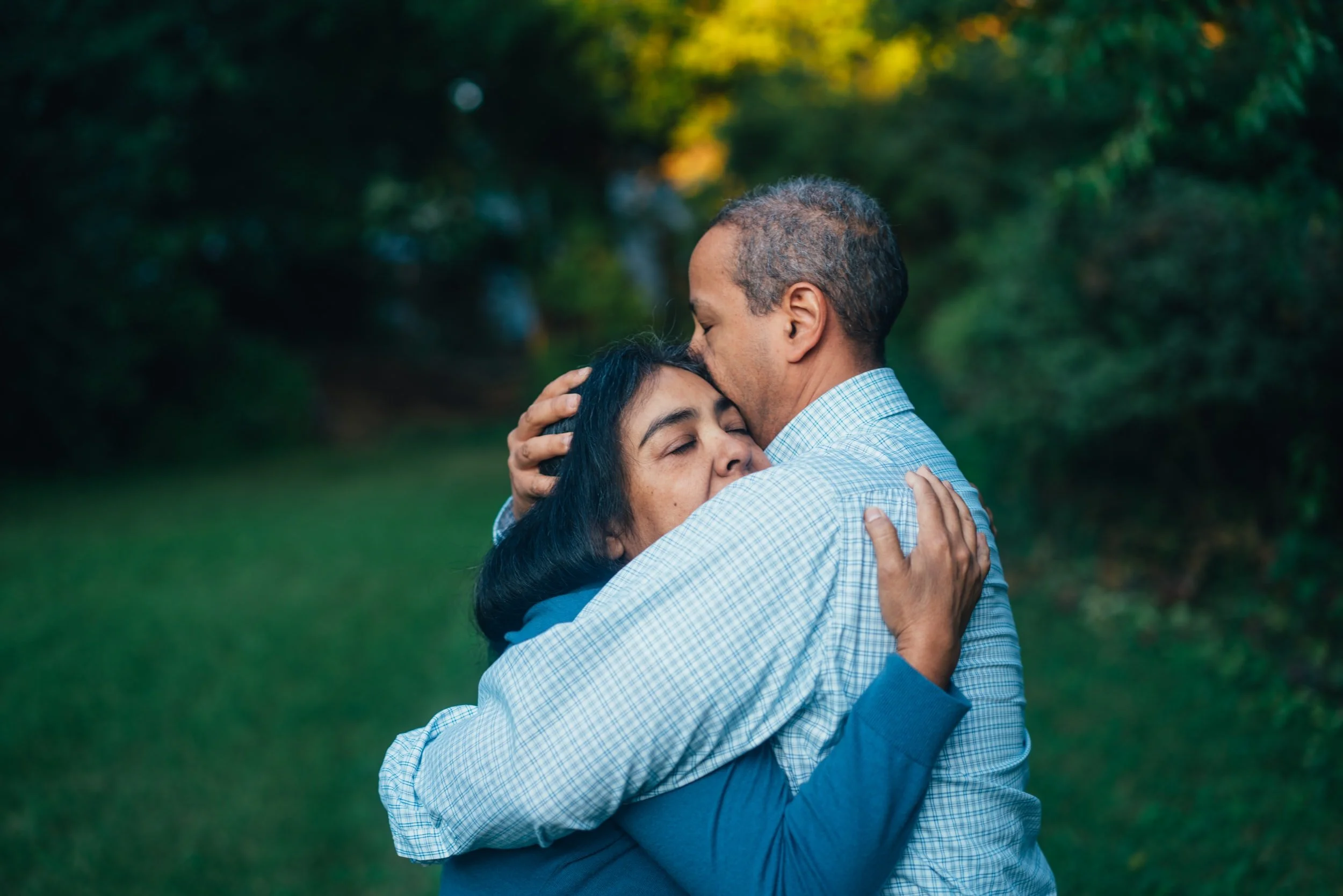
How to Tell Your Partner About Your Past Sexual Abuse
Relationships always start out on a high note. Your mutual attraction combined with your commonalities stirs up your feelings, while finding out about your differences and exploring the world together makes your relationship fresh and exciting. When your relationship starts to become more intimate, you may start to wonder when the right time is for you to open up to your partner about your past sexual abuse.

Relationships always start out on a high note. Your mutual attraction combined with your commonalities stirs up your feelings, while finding out about your differences and exploring the world together makes your relationship fresh and exciting. When your relationship starts to become more intimate, you may start to wonder when the right time is for you to open up to your partner about your past sexual abuse.
Being a survivor of sexual assault is, unfortunately, not uncommon. According to the National Sexual Violence Resource Center, one in three women and one in six men in the United States experience some form of contact sexual violence in their lifetime. So when is the right time to open up to your partner about your past, and how do you tell them?
Share When You Are Ready
It’s important as a survivor that you are in control of when you share your story. Center yourself around your own needs and share only when you’re ready, and not before. You may need to discuss it first with a therapist, counselor, friend or support group.
Know What You Need
Know in advance what you’ll need to get through this discussion. You may need your partner to not ask questions, or to not touch you while you’re talking. Be honest and upfront, and ask for support when you need it.
Prepare for a Response
How people respond to your story will vary widely. Hearing sexual abuse disclosures affect both the person telling the story, as well as the person listening. Your partner may be silent for a while as they take in the information and consider what to say. Give them time to process it. If it will make you more comfortable, you can ask them to give you some time before you discuss the matter again.
Opening up and discussing difficult, sensitive topics with your partner is never easy. But these challenging times are often the ones that create milestones in your relationship, and will ultimately bring the two of you closer than ever.
Are you a sexual abuse survivor and in need of guidance and counseling? A professional counselor can help. Call my office today and let’s set up a time to talk.
Resources:
National Sexual Assault Hotline: 1-800-656-4673
What is Emotional Incest?
Many of us grew up in households that were dysfunctional, where boundaries between parents and adults were blurred in unhealthy ways. Emotional incest is not of a sexual nature, but it does describe unhealthy emotional interactions between adults and children that are psychologically inappropriate.
Many of us grew up in households that were dysfunctional, where boundaries between parents and adults were blurred in unhealthy ways. Emotional incest is not of a sexual nature, but it does describe unhealthy emotional interactions between adults and children that are psychologically inappropriate.
What this looks like in a real-life is a parent treating their child as a partner, relying on them for emotional support and care. Here are some of the classic ways parents cross this line:
Asking a Child for Advice
When a parent turns to their child for advice about marital issues, sexual problems, financial worries, etc. this blurs the boundaries and causes the child to feel anxiety they should not be privy to.
Ego Booster
Narcissistic parents often look to their children to give them a much-needed ego boost. With the parent’s ego being a priority, the child’s emotional needs take a backseat.
BFF Syndrome
A parent should never be best friends with their child as this results in many boundaries being blurred. And a child should never be a trusted confidante to their parent.
Therapist
Parents that turn to their child for comfort during an emotional crisis rob the child of learning age-appropriate socialization. These children will, most likely, grow into codependent adults, seeking approval from others by taking care of THEIR emotional needs.
Emotional Incest Outcomes
Emotional incest is sometimes called “covert” incest because while it’s not sexual, the outcomes of this family dynamic are often similar.
Trouble setting healthy boundaries
Eating disorders
Self-harm
Low self-esteem
Sexual intimacy issues
Substance abuse/addiction
Obsessive/compulsive issues
Healing from Emotional Incest
When a child grows up and leaves the unhealthy environment and dynamic, that does not mean they won’t experience any lasting repercussions. Most adults will suffer from at least one of the outcomes I just listed.
The good news is, through counseling, victims of emotional incest can heal and live a healthy and satisfying life filled with strong emotional connections.
If you believe you are suffering from lingering effects of emotional incest and would like to speak to someone who specializes in this area, please reach out to me.
SOURCES: