
BLOG
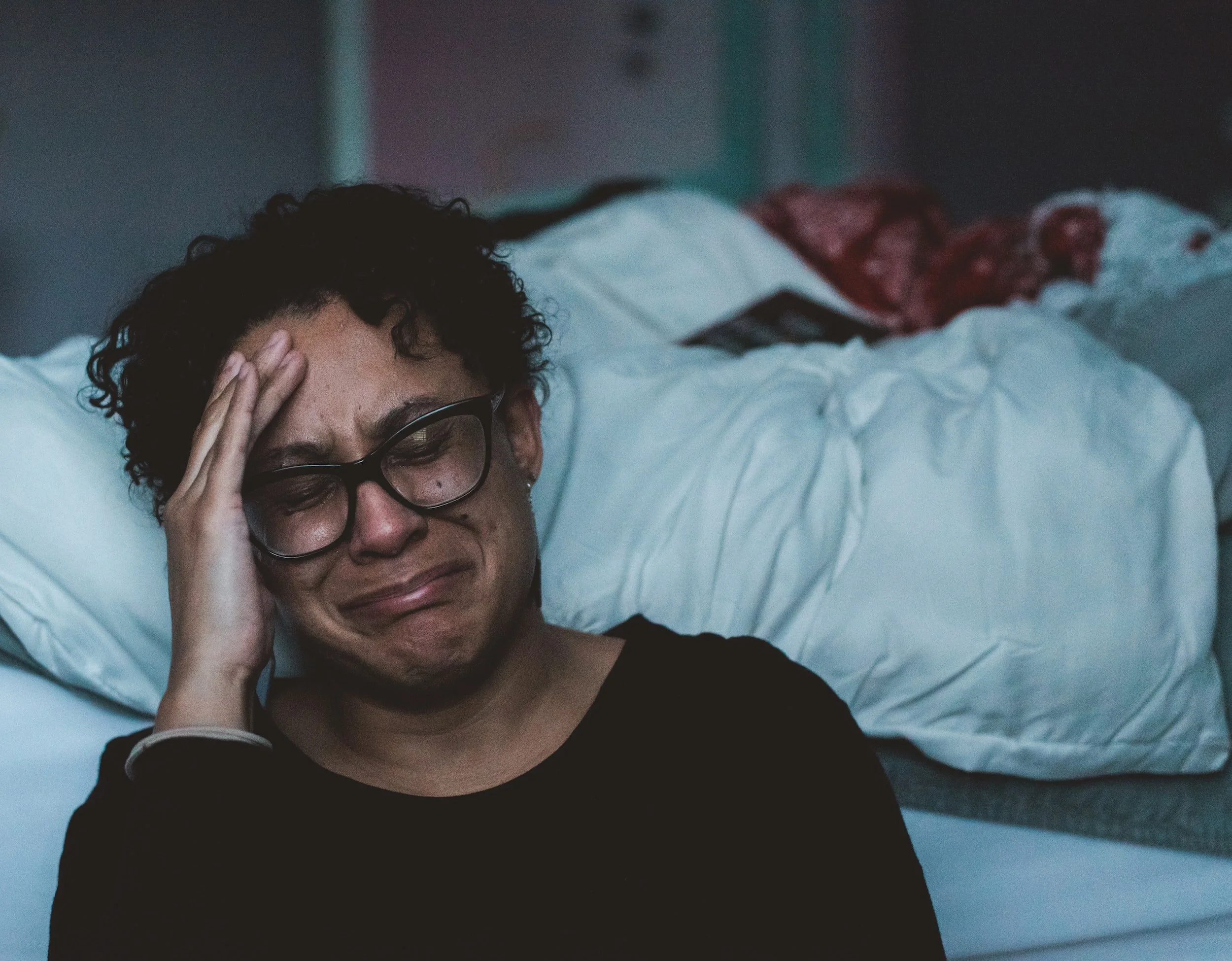
Mental Health Effects of Emotional Abuse
Emotional abuse is not as easy to spot as physical abuse, but oftentimes its effects can be just as traumatic. Emotional abuse can involve a wide range of tactics, including gaslighting, shaming and manipulation. All of these are intended to leave the victim feeling confused, powerless and hopeless.
Emotional abuse is not as easy to spot as physical abuse, but oftentimes its effects can be just as traumatic. Emotional abuse can involve a wide range of tactics, including gaslighting, shaming and manipulation. All of these are intended to leave the victim feeling confused, powerless and hopeless.
Typically people suffer from long-term or short-term emotional abuse, and depending on the length of time, there can be varying mental health effects.
Long-term emotional abuse happens over many years. Examples are a child growing up in a home with an alcoholic parent or a sibling with anger issues. Someone may find themselves in a marriage with a narcissistic partner.
Short-term emotional abuse can result from a nasty exchange with a stranger or micro-interactions with colleagues or neighbors.
The following are some short-term and long-term effects of emotional abuse:
Short-Term Effects
Isolation or a sense of deep loneliness
Self-doubt
Shame
Confusion
Low self-esteem
Anxiety connected with social interactions
Feelings of powerlessness
Long-term Effects
Neuroticism, or the tendency toward a depressed mood or negative emotions like anger
Chronic stress
Physical health issues like muscle tension and shortness of breath
Attachment issues
Apathy
Eating disorders
PTSD (post-traumatic stress disorder) or CPTSD (chronic post-traumatic stress disorder)
You Can Heal from Emotional Abuse
With time, patience and plenty of self-compassion, it is very possible to heal from the trauma of emotional abuse. Working with a mental health professional who has been trained specifically to help people who have been the victim of emotional abuse is a great starting point.
If you’d like to explore treatment options, please reach out to me.
SOURCES:
https://psychcentral.com/health/effects-of-emotional-abuse
http://aware-ae.com/emotional-abuse-and-its-impact-on-mental-health/
https://www.medicalnewstoday.com/articles/327080
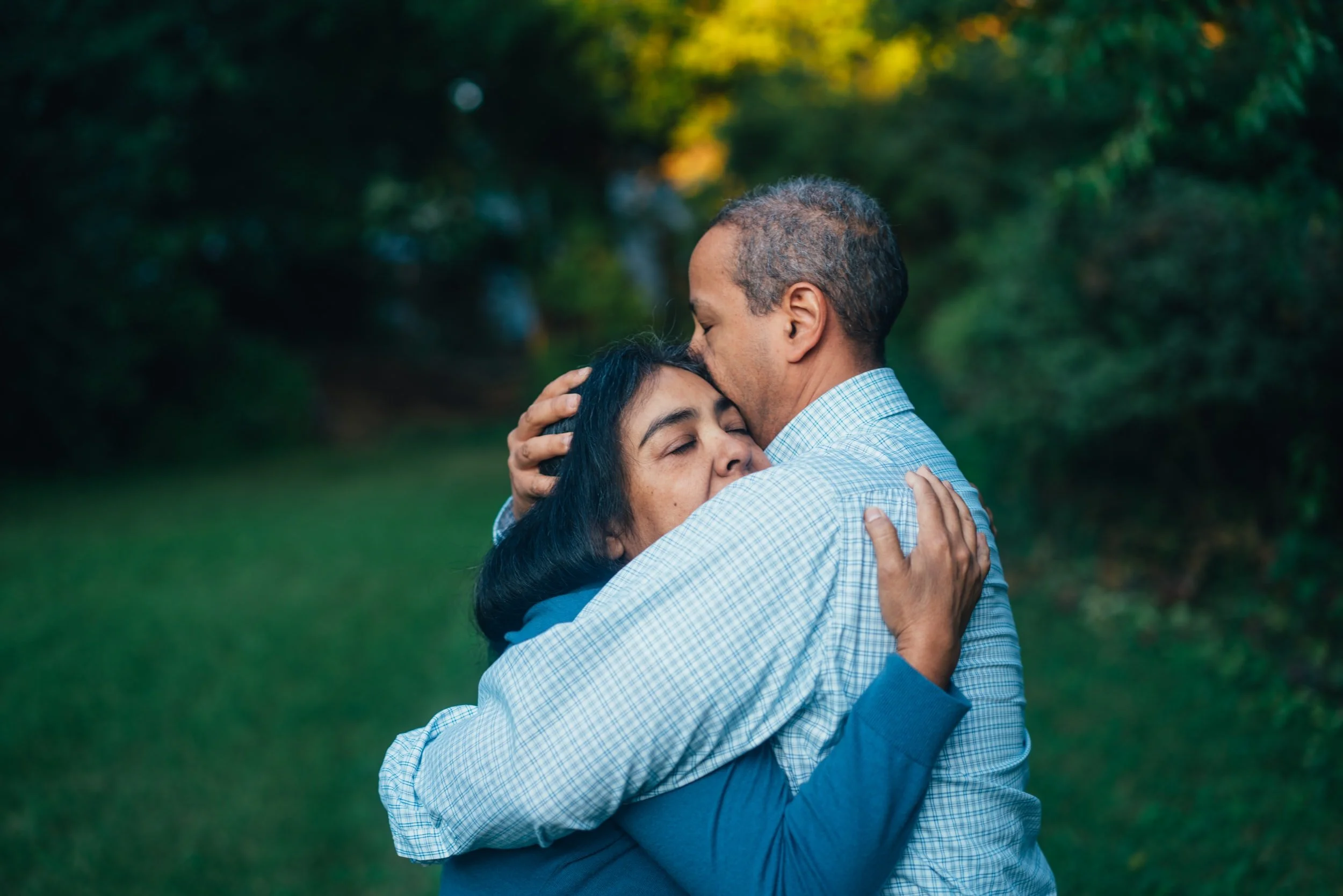
How to Tell Your Partner About Your Past Sexual Abuse
Relationships always start out on a high note. Your mutual attraction combined with your commonalities stirs up your feelings, while finding out about your differences and exploring the world together makes your relationship fresh and exciting. When your relationship starts to become more intimate, you may start to wonder when the right time is for you to open up to your partner about your past sexual abuse.

Relationships always start out on a high note. Your mutual attraction combined with your commonalities stirs up your feelings, while finding out about your differences and exploring the world together makes your relationship fresh and exciting. When your relationship starts to become more intimate, you may start to wonder when the right time is for you to open up to your partner about your past sexual abuse.
Being a survivor of sexual assault is, unfortunately, not uncommon. According to the National Sexual Violence Resource Center, one in three women and one in six men in the United States experience some form of contact sexual violence in their lifetime. So when is the right time to open up to your partner about your past, and how do you tell them?
Share When You Are Ready
It’s important as a survivor that you are in control of when you share your story. Center yourself around your own needs and share only when you’re ready, and not before. You may need to discuss it first with a therapist, counselor, friend or support group.
Know What You Need
Know in advance what you’ll need to get through this discussion. You may need your partner to not ask questions, or to not touch you while you’re talking. Be honest and upfront, and ask for support when you need it.
Prepare for a Response
How people respond to your story will vary widely. Hearing sexual abuse disclosures affect both the person telling the story, as well as the person listening. Your partner may be silent for a while as they take in the information and consider what to say. Give them time to process it. If it will make you more comfortable, you can ask them to give you some time before you discuss the matter again.
Opening up and discussing difficult, sensitive topics with your partner is never easy. But these challenging times are often the ones that create milestones in your relationship, and will ultimately bring the two of you closer than ever.
Are you a sexual abuse survivor and in need of guidance and counseling? A professional counselor can help. Call my office today and let’s set up a time to talk.
Resources:
National Sexual Assault Hotline: 1-800-656-4673

5 Signs Your Partner May Be Addicted To Pornography
With an estimated 28% of women viewing online pornography versus 72% of men, pornography addiction isn’t a problem specific to men; women can also become addicted. If you’re concerned that your partner has developed an addiction to pornography, here are some signs to look out for.
All addictions negatively impact a relationship, and pornography addiction is certainly no exception. The adult entertainment industry generates billions of dollars annually, and with an estimated 40 million Americans visiting porn sites regularly, pornography addiction is a problem for many families.
With an estimated 28% of women viewing online pornography versus 72% of men, pornography addiction isn’t a problem specific to men; women can also become addicted. If you’re concerned that your partner has developed an addiction to pornography, here are some signs to look out for.
They spend a lot of time on the internet
The porn addict will spend hours, and sometimes even days, online viewing pornography. If your spouse spends an increasing amount of time alone, either with a phone, laptop or tablet, he or she may be developing an obsession with pornography.
They’re critical of you
Porn stars are typically young and attractive, often times surgically enhanced. The more your partner watches pornography, the more negatively you may be compared to the models he or she is watching. Porn addicts tend to objectify their partner, and as your spouse spends increasing amounts of time watching porn, they may start to become critical of your body.
Unusual spending activity
Checking your bank or credit card statements, you may find unexpected or unexplained charges. Adult entertainment websites will often mask the charges to benefit the confidentiality of their customers, so you may have to do a Google search or make some phone calls to uncover the source of the charges.
Your sex life has changed
When someone is addicted to pornography, they may no longer have the drive or desire to maintain a sex life with their partner. Conversely, some addicts become more demanding. They may want to engage in acts you’re not comfortable with. As a person becomes more and more addicted to pornography, they will have to watch increasingly unusual material. This may result in your partner becoming more rough or aggressive.
Increased Irritability
Often when someone is involved in an addiction there is an intense cycle of shame and guilt often leaving the person dealing with a lot self contempt. This causes the person to be easily agitated when approached with small criticisms or corrective feedback, as the person already has a strong negative view of self. This is also shown when they struggle to complete simple or small tasks or feelings of failure in other places. This leads the the person responding in anger towards themself and others.
So what can you do if you suspect your partner is addicted to porn?
First, know that his or her addiction is not your fault. People become addicted as a way of coping with unwanted feelings and emotions, or as a way to avoid real life stress or difficulties. Second, seek support from trusted loved ones and find a therapist who can help you both on the road to recovery.
Is your relationship suffering because of pornography addiction? A trained, mental health professional can help. Call my office today and let’s set up an appointment to talk.