
BLOG
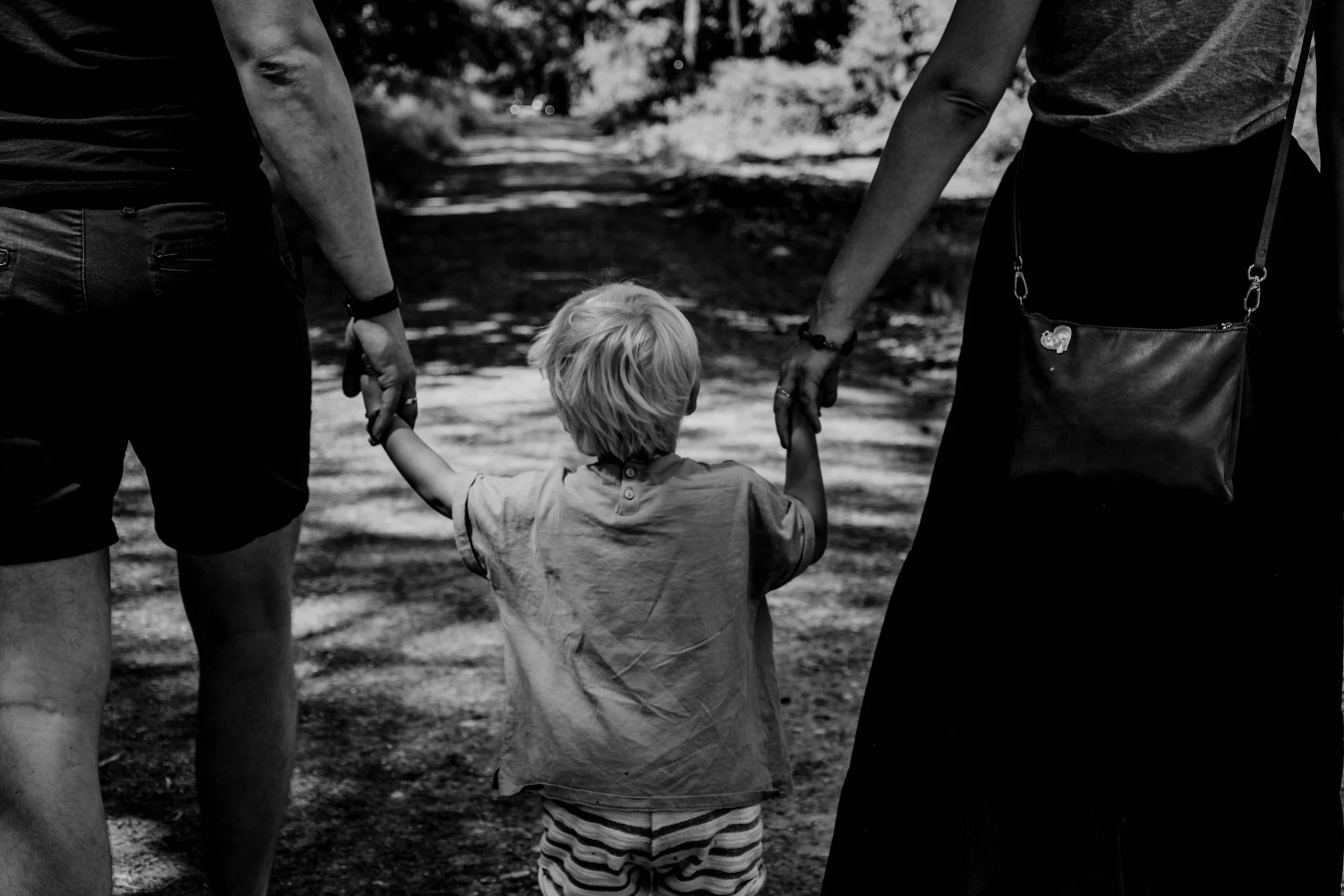
Overcoming Generational Trauma
You know you got your hairline from your Dad’s side of the family and your eye color from your mom. You know diabetes runs in your family, as does heart disease and Parkinson’s. But do you know that many families also pass down trauma to their loved ones? It’s not just our physical makeup and risk of disease that we inherit from our family, it is also the emotional wounds as well.
You know you got your hairline from your Dad’s side of the family and your eye color from your mom. You know diabetes runs in your family, as does heart disease and Parkinson’s.
But do you know that many families also pass down trauma to their loved ones? It’s not just our physical makeup and risk of disease that we inherit from our family, it is also the emotional wounds as well.
What is Transgenerational Trauma?
Before you were born you were in your mother’s womb and very susceptible to her emotions. As your mother felt joy, her body released hormones that made you feel joy.
When she felt sad, scared, or angry, her body released hormones that made her experience these same emotions.
Eventually, you were born and raised in a house that may not always be happy or harmonious. Your parents may have been emotionally distant or even abusive because they may have been brought up by parents who had their own reasons for being emotionally absent or abusive.
Many families have unresolved trauma that works its way through one generation to the next. Those families who have dealt with addiction, depression, anxiety, terror, racism, and the like, often continue to pass on negative emotions, poor behaviors, low self-esteem, and maladaptive coping strategies. These not only lead to a painful and hard life, but they can also lead to chronic health conditions.
It Can Stop With You!
If you have a history of family conflict or trauma, you can be the individual who puts an end to the cycle. You can be the one who begins a new cycle, one of passing down loving communication and positive self-images.
Of course, it will take work on your part to overcome the pain of your family history. That’s why it’s a good idea to work with a mental health professional who can offer you the right tools and coping strategies that you can then pass down to your own children.
If you’re interested in exploring therapy, please get in touch with me! I’d love to help you end the cycle of trauma in your family.
SOURCES:
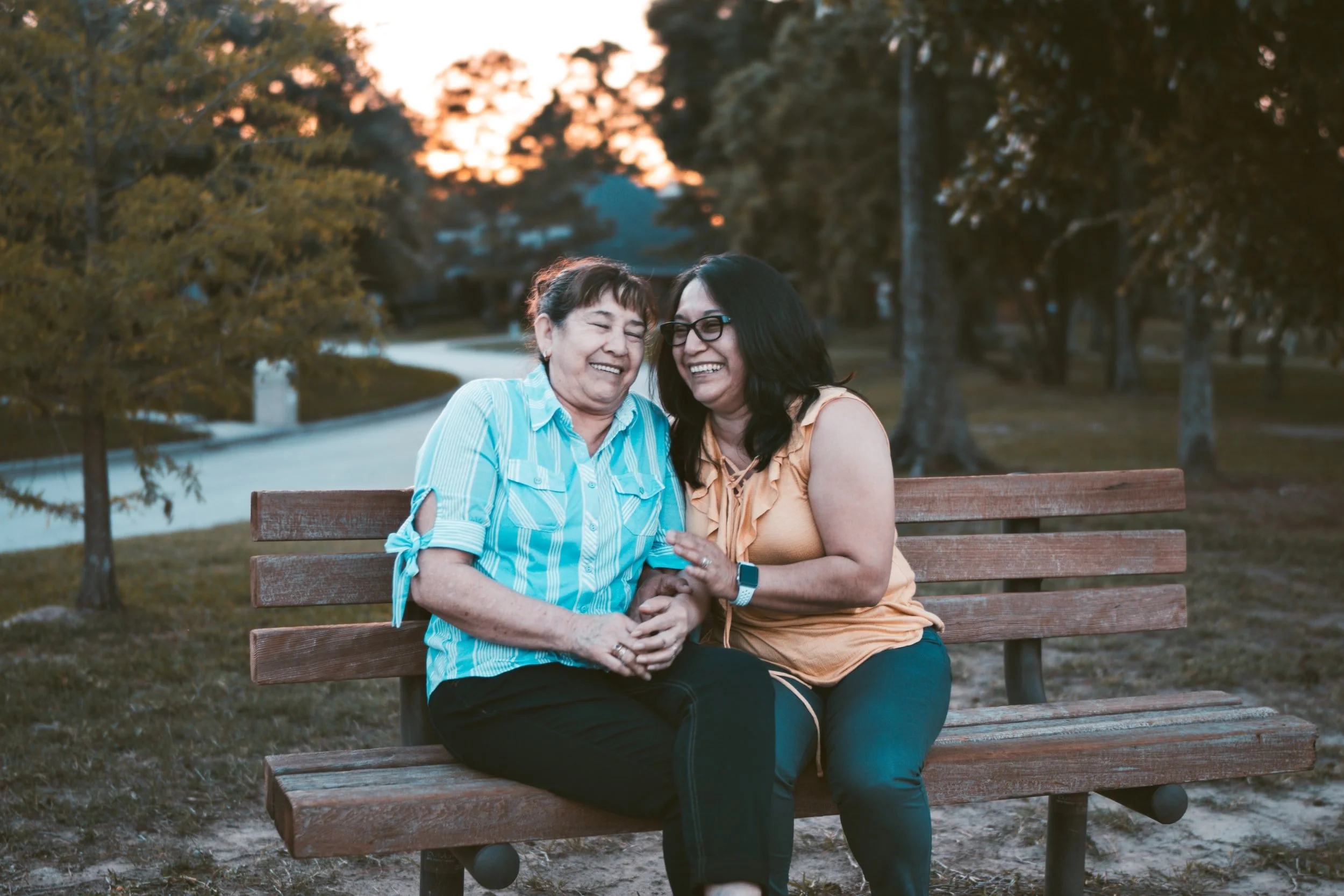
What is Emotional Incest?
Many of us grew up in households that were dysfunctional, where boundaries between parents and adults were blurred in unhealthy ways. Emotional incest is not of a sexual nature, but it does describe unhealthy emotional interactions between adults and children that are psychologically inappropriate.
Many of us grew up in households that were dysfunctional, where boundaries between parents and adults were blurred in unhealthy ways. Emotional incest is not of a sexual nature, but it does describe unhealthy emotional interactions between adults and children that are psychologically inappropriate.
What this looks like in a real-life is a parent treating their child as a partner, relying on them for emotional support and care. Here are some of the classic ways parents cross this line:
Asking a Child for Advice
When a parent turns to their child for advice about marital issues, sexual problems, financial worries, etc. this blurs the boundaries and causes the child to feel anxiety they should not be privy to.
Ego Booster
Narcissistic parents often look to their children to give them a much-needed ego boost. With the parent’s ego being a priority, the child’s emotional needs take a backseat.
BFF Syndrome
A parent should never be best friends with their child as this results in many boundaries being blurred. And a child should never be a trusted confidante to their parent.
Therapist
Parents that turn to their child for comfort during an emotional crisis rob the child of learning age-appropriate socialization. These children will, most likely, grow into codependent adults, seeking approval from others by taking care of THEIR emotional needs.
Emotional Incest Outcomes
Emotional incest is sometimes called “covert” incest because while it’s not sexual, the outcomes of this family dynamic are often similar.
Trouble setting healthy boundaries
Eating disorders
Self-harm
Low self-esteem
Sexual intimacy issues
Substance abuse/addiction
Obsessive/compulsive issues
Healing from Emotional Incest
When a child grows up and leaves the unhealthy environment and dynamic, that does not mean they won’t experience any lasting repercussions. Most adults will suffer from at least one of the outcomes I just listed.
The good news is, through counseling, victims of emotional incest can heal and live a healthy and satisfying life filled with strong emotional connections.
If you believe you are suffering from lingering effects of emotional incest and would like to speak to someone who specializes in this area, please reach out to me.
SOURCES: