
BLOG
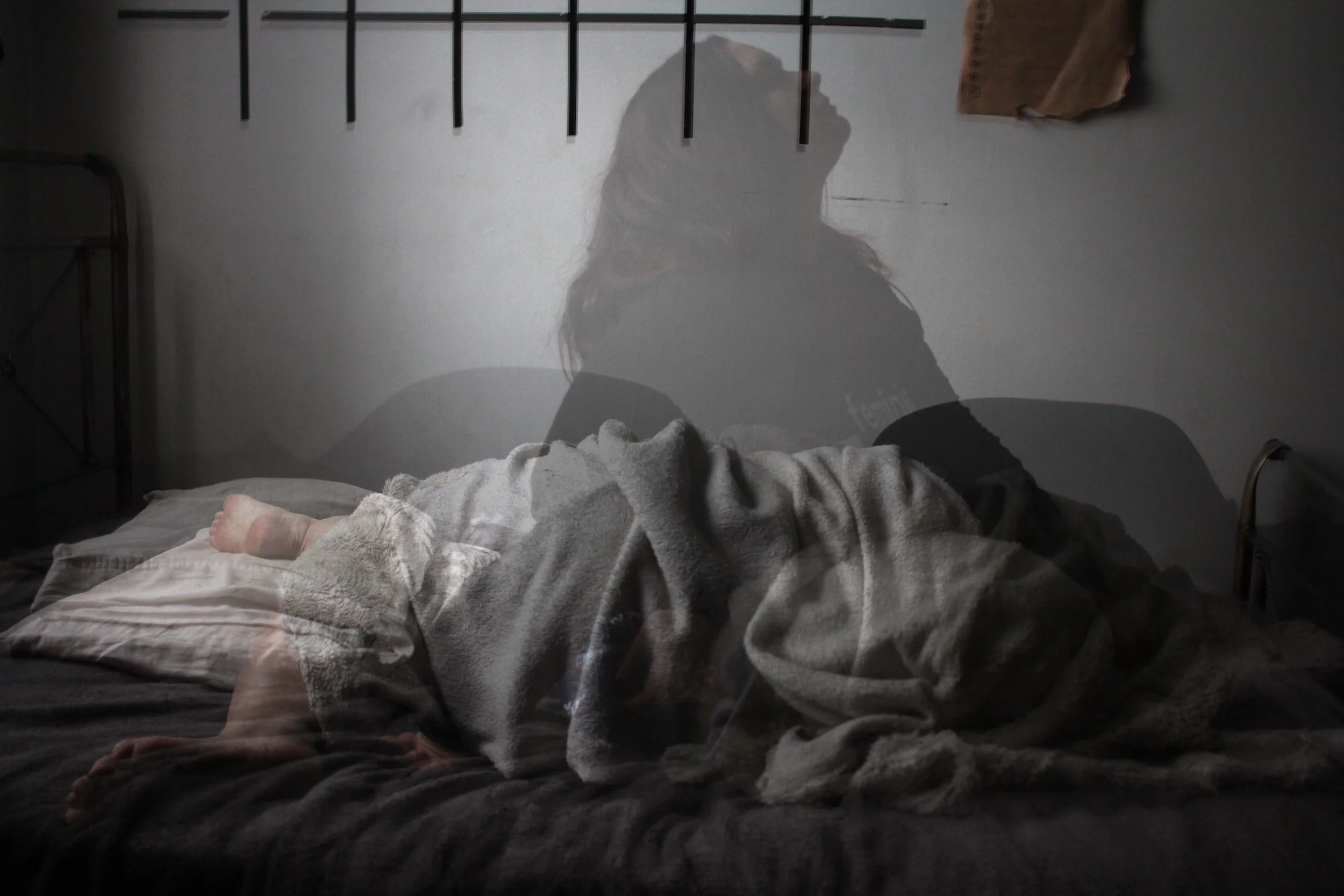
Do You Have C-PTSD?
You have most likely heard the term Post Traumatic Stress Disorder – also known as PTSD. It is used to describe the mental and emotional anguish suffered by those who have experienced sudden trauma, usually a one time incident. PTSD is often experienced by soldiers as well as those who have been victims of rape and other crimes, and even victims of house fires and car accidents.
Complex Post Traumatic Stress Disorder (C-PTSD) describes a condition that very much presents like PTSD, the difference being the sufferer experienced prolonged periods of abuse or neglect. This could happen as a result of childhood abuse/neglect or the abuse suffered at the hands of a narcissistic partner.
Diagnosing C-PTSD
Diagnosing C-PTSD is tricky because the symptoms are usually not very unique. That is to say, someone who is suffering from C-PTSD may be experiencing anxiety and lethargy, but these symptoms match other mental health issues.
But it is very important to accurately diagnose C-PTSD because of the necessary treatment measures. The main difference between C-PTSD and other mental health issues – say, bipolar disorder – is that C-PTSD is a result of things that were done TO an individual, and not an intrinsic problem. In other words, someone suffers from C-PTSD because of abuse and neglect at the hands of another and not because of genetically determined brain chemistry.
To help correctly identify C-PTSD, a therapist must uncover an accurate history to understand if:
The individual has experienced multiple prolonged traumas that have lasted for months (or even years)
The traumas were caused by someone the individual had a deep interpersonal relationship with and/or someone who was part of their primary care network (most commonly a parent or caregiver)
These traumas were experienced as permanent features of life, with the individual unable to see any end in sight
The individual had no control or power over the person traumatizing them
Symptoms of C-PTSD
As I just mentioned, the outward symptoms of C-PTSD may match other mental health disorders. Those symptoms include:
Flashbacks and nightmares in which the trauma is relived.
Avoiding people, places, and situations that remind them of the trauma.
Dizziness or nausea when remembering the trauma.
Hyperarousal. This is a state of high alert and one they often lived in.
A belief that the world is a dangerous place.
A loss of trust in self or others.
Difficulty sleeping and concentrating.
Being startled by loud noises.
Treatment for C-PTSD
There are a few different treatment options for people suffering from C-PTSD:
Psychotherapy
Therapy can take place on a one-to-one basis or in a group setting. The focus will be on addressing feelings, improving connections with others, and dealing with anxiety and flashbacks.
EMDR
EMDR stands for eye movement desensitization and reprocessing. This is a process that uses eye movement to help a person desensitize their reactions to a specific traumatic event. The result is the person can eventually recall the memory but have no emotional reaction to it.
Medication
Some individuals may need to be on medications for a while to reduce their anxiety. A therapist can work with you to determine if this is the best course of action.
If you believe you are suffering from C-PTSD and would like to explore treatment options, please be in touch. I’d be happy to discuss how I may be able to help.
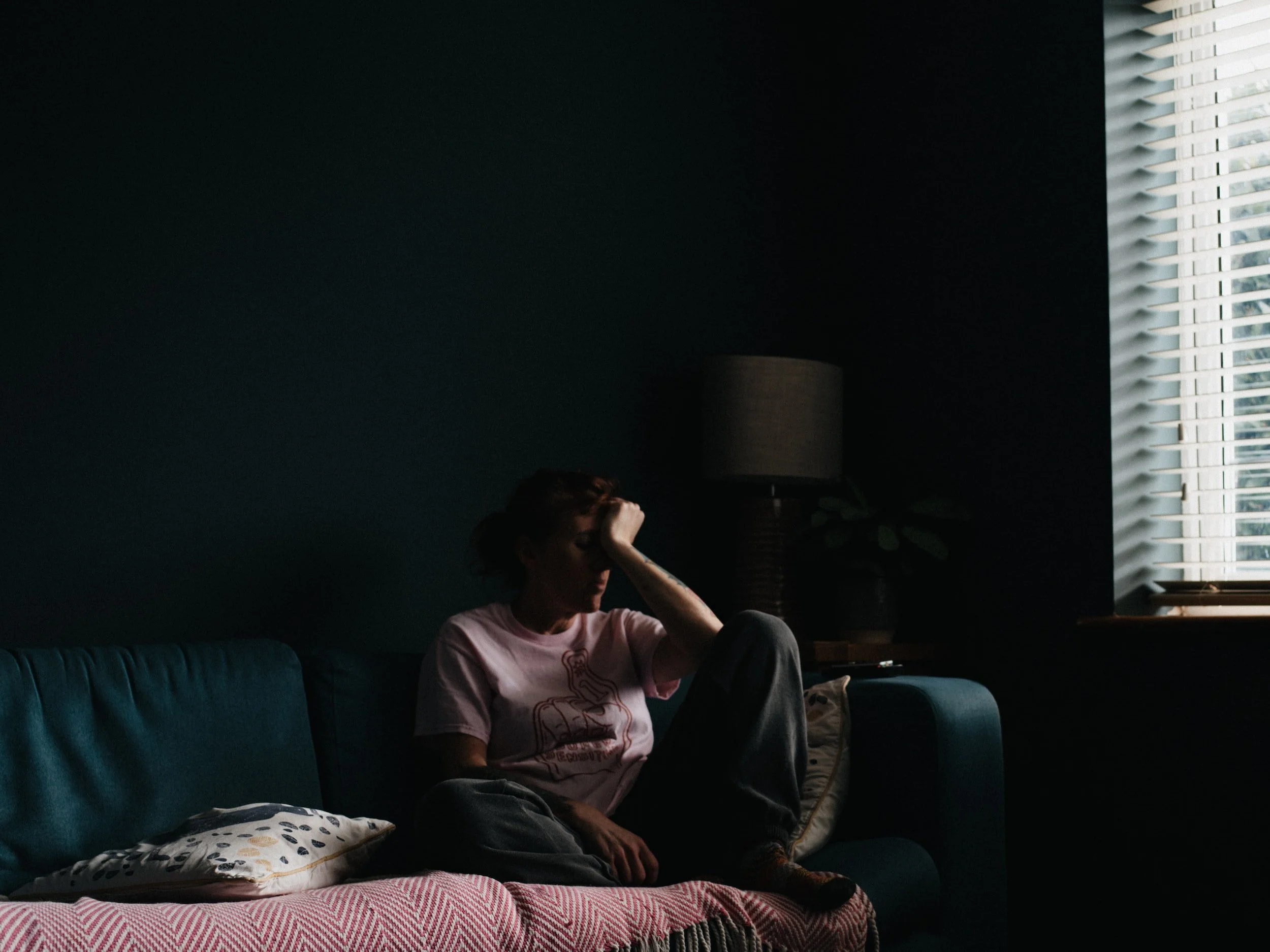
Here’s How Social Isolation Affects Your Health
Many of us experienced social isolation during the pandemic. I imagine none of us will deny that those days and weeks were very hard. Thankfully, the pandemic is over, and life for the majority of us has returned to normal. But for some people, social isolation didn’t go away; it is a part of their “normal” existence.
Keep reading to find out common causes and effects of social isolation and how you can learn to cope.
Many of us experienced social isolation during the pandemic. I imagine none of us will deny that those days and weeks were very hard. Thankfully, the pandemic is over, and life for the majority of us has returned to normal. But for some people, social isolation didn’t go away; it is a part of their “normal” existence.
Common Causes of Social Isolation
There are a variety of circumstances that cause people to be isolated from others, or to choose to isolate themselves:
An abusive relationship – People in toxic relationships often choose to avoid contact with friends and family because they wish to hide their reality from others.
Grief – It is common to isolate oneself after losing a loved one. This is particularly true for many seniors who have lost many loved ones and friends.
Mental health issues – Anxiety, depression and low self-esteem can often result in a desire to isolate oneself from the rest of society.
Physical challenges – Those with limited mobility or other physical challenges may decide life is easier and safer at home.
The Effects of Social Isolation on Your Health
We know there is a strong mind-body connection. How we feel emotionally effects how we feel physically. Studies are now revealing how social isolation can negatively impact our health. Here are just some of the effects on your health:
Reduced immune function
Trouble sleeping (which leads to inflammation and a disruption of hormones)
Poor cardiovascular health
Poor cognitive function
Greater chance of stroke
Decreased wound healing
Increased risk of dementia
Higher risks of premature mortality
Coping With Social Isolation
If you are isolated from others for any reason, it is important to recognize you may be suffering mentally, emotionally, and/or physically. Here are some ways you can cope with the situation:
Practice self-care
Get outside
Reconnect with hobbies and interests
Get help
If you would like to speak to someone about your anxiety or depression caused by isolation as well as the reasons for the isolation, please reach out to me. I offer online therapy for those who feel more comfortable accessing help from home.
SOURCES:
https://publichealth.tulane.edu/blog/effects-of-social-isolation-on-mental-health/
https://www.webmd.com/mental-health/social-isolation-mental-health
https://www.medicalnewstoday.com/articles/isolation-and-mental-health

Signs of Depression
Depression is more common that some might think. According to hopkinsmedicine.org, approximately 9.5% of American adults will suffer from a depressive illness each year. It’s natural to feel down or anxious from time to time. However, prolonged feelings of hopelessness and despair could be a sign of something more. When these emotions grab hold, and won’t let go, it is likely you may have depression. Depression makes every day a constant challenge. You no longer enjoy life as you once did.
Depression is more common that some might think. According to hopkinsmedicine.org, approximately 9.5% of American adults will suffer from a depressive illness each year.
It’s natural to feel down or anxious from time to time. However, prolonged feelings of hopelessness and despair could be a sign of something more. When these emotions grab hold, and won’t let go, it is likely you may have depression. Depression makes every day a constant challenge. You no longer enjoy life as you once did. Just getting out of bed can feel overwhelming.
But, through education, therapy, and sometimes medication, you can find relief from depression and get back to the life you were meant to live.
If you’re unsure of whether you are suffering from depression, read on to learn common signs and symptoms of depression.
SIGNS OF DEPRESSION
How can you tell if you are depressed? It may seem like an odd question, but a surprising number of people do not recognize that they may be suffering from depression. While some signs are obvious, others can be subtle.
Every individual will manifest symptoms in a different way, so it’s important to recognize any changes in your behavior. With this in mind, here are some signs you might be struggling with depression.
Clinical Symptoms of Depression
For a diagnosis of depression, the time requirement states that symptoms have been present for two or more weeks.
Feeling sad most of the day, nearly every day
Feeling a sense of hopelessness
Fatigue or lack of energy
Lack of interest or pleasure in activities / Loss of motivation
Irritability
Appetite or weight change
Sleep disturbance (trouble getting to sleep, trouble staying asleep, or sleeping too much)
Moving or talking more slowly, or more quickly, than normal
Feeling restless or fidgeting
Decreased ability to focus, remember, or make decisions
Feelings of worthlessness or guilt
Thoughts of suicide or death, or attempting to end one’s life
All symptoms are not experienced by every individual, some may only experience a few of the symptoms listed above. The frequency and severity to which one experiences symptoms will also vary from one individual to the next, and without treatment may worsen over time.
Additional Signs of Depression
Anger & Irritability
It has been said that anger is depression turned inward. If you suddenly find yourself with a short fuse, and things that used to not bother you now cause you to fly off the handle, it may be a sign you need some help.
Physical Ailments
Many people don’t realize that depression can manifest itself physically. It is common for sufferers to feel sick to their stomach with whole body aches. Some may find they seem to have a cold or flu that won’t go away, while others may notice their chronic conditions, such as arthritis, are exacerbated by depression.
CAUSES & RISK FACTORS FOR DEPRESSION
Any one of the following could contribute to some developing depression.
Trauma
Stress
Physical illness
Medications
Individual or family history
Life changes
Low self-esteem
Biochemistry: Certain chemicals in the brain may be off balance contributing to depression
Continuous exposure to violence, neglect, abuse or poverty may make some people more vulnerable to depression.
What can you do about it?
Seek treatment from a mental health professional
Consider the possibility that medication might be helpful, at least temporarily
Increase exercise
Talk to friends or family
Make a conscious effort not to isolate yourself from others
Get outdoors – get some fresh air and sunlight
Eat nutritious foods
It is important to recognize these signs and symptoms so you may seek treatment as soon as possible. While depression may feel like a life sentence, reaching out for help will put you on the path toward healing and peace once again.
If you or a loved one is interested in exploring treatment, please contact me today. I would be happy to speak with you about how I may be able to help.
For more information: